
~ Langston Hughes
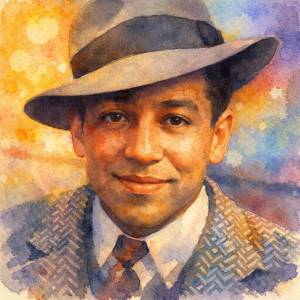 February invites us to honor the vibrant heritage of African Americans, through story, art, and the steady courage to keep telling the truth.
Born on this day in Joplin, Missouri, and raised with a keen sense of social justice, writer and poet James Mercer Langston Hughes (1902–1967) helped lead the Harlem Renaissance, the exuberant artistic movement of the 1920s.
“What happens to a dream deferred?” he asked with classic poignancy.
Influenced by poets Carl Sandburg and Walt Whitman, Hughes began writing poetry in high school. His first collection, The Weary Blues, was published in 1926. His courageous grandmother helped enslaved people escape to the North and shared her stories with him.
“Hold fast to dreams for if dreams die/Life is a broken-winged bird that cannot fly,” observed the man who said he wrote with “earthly pain,” and to explain and illuminate the lived experience of Black Americans in his time.
With his heart-felt writing, Hughes brought Black art to true maturity for the first time. He celebrated the beauty of the soul and the pride of humanity, pride of heritage. “I am a Negro… and beautiful!”
Passionately, Hughes celebrated with pride. With free verse that infused blues and jazz rhythms, he captured the rich nuances of urban life. Listen to the force of his words. That sound was his social power.
“I stuck my head out the window this morning and spring kissed me bang in the face,” said the prolific artist who wrote for fifty years, creating hundreds of poems, as well as screenplays, novels, short stories, and essays.
With unwavering commitment and generous creativity, Hughes kept choosing hope, even if the world resisted listening.
 Keep asking. Keep creating.